

Ninewin KYC and Verification Guide
 Available in GB
Ninewin uses a risk-based KYC process and reserves the right to request identity and location evidence when it considers verification necessary. Its current KYC policy says service, payments or withdrawals can be restricted until identity is sufficiently established. The policy lists a passport or ID card and proof of permanent address as core document categories, while additional identity, selfie or payment evidence can also be requested depending on the screening level.
After documents are uploaded, Ninewin’s policy says the account receives a “Temporarily Approved” status and the KYC Team has 24 hours to review the uploaded set and send one of three outcomes: approved, rejected or more information needed. That is a stated document-review target, not a guarantee that every account completes end-to-end verification within 24 hours. A request for more evidence can extend the process, and withdrawals remain limited while verification is incomplete.
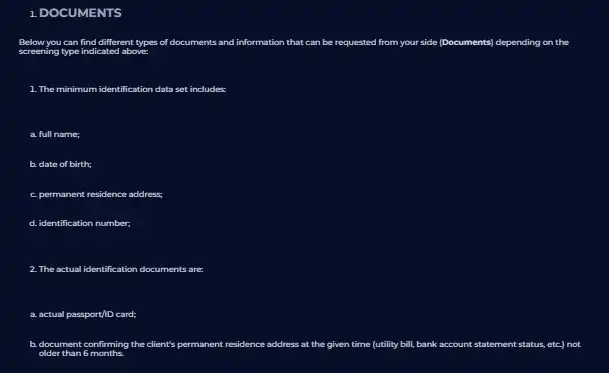
Table of Contents
- Why Ninewin KYC is risk-based
- The minimum identity data Ninewin can verify
- Additional documents and selfie checks
- Why documents can be rejected
- What “Temporarily Approved” means
- How verification affects deposits and withdrawals
- Verification rules and licence status are separate
- What to keep if a verification issue becomes a complaint
- Ninewin KYC checklist
- Overall Ninewin KYC position
- Key Ninewin KYC points
Why Ninewin KYC is risk-based
Ninewin’s official KYC policy describes three levels of due diligence: SDD, CDD and EDD. SDD means simplified due diligence for very low-risk situations. CDD is the standard customer due diligence used for most verification and identification cases. EDD is enhanced due diligence for higher-risk customers, larger transactions or special cases. The important practical point is that these labels describe different levels of scrutiny, not three fixed signup packages that every player passes through in order.
A risk-based model means two players can receive different document requests. One account may be resolved with the core identity set, while another can be asked for extra evidence because of transaction patterns, payment ownership, location questions or another factor considered during screening. The required document set can therefore differ from one account to another.
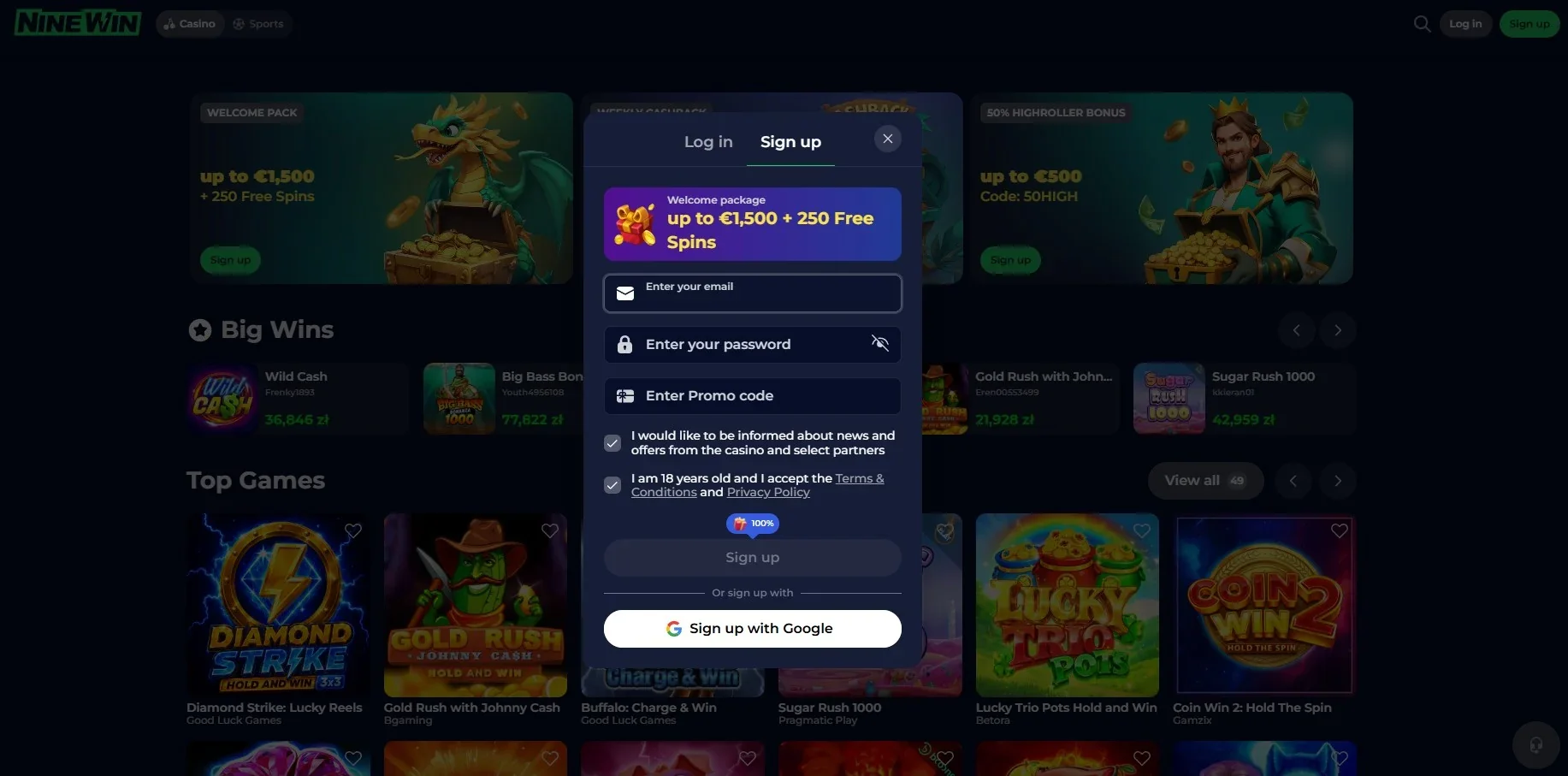
If you are preparing an account, use the Ninewin registration first to make sure your registered information is accurate. KYC works most smoothly when the name, date of birth, residence and payment details in the account match the evidence later submitted.
The minimum identity data Ninewin can verify
The current policy identifies a minimum information set consisting of full name, date of birth, permanent residence address and an identification number. The document request is intended to support those details and confirm that the account belongs to the person using it.
For the core document categories, the policy lists a current passport or ID card and a document confirming the client’s permanent residence address. Examples of address evidence in the policy include a utility bill or bank account statement. The current wording says the address document should not be older than six months.
| Verification purpose | Current policy category | What to check before upload |
|---|---|---|
| Identity | Passport or ID card | Name and identifying details should be readable and match the account. |
| Permanent address | Address evidence such as a utility bill or bank statement | Address should match the account and the document should meet the policy’s current age requirement. |
| Additional identity | Other identity evidence, including another national ID type | Provide only when requested and make sure the document is clear and current. |
| Payment ownership | Payment evidence can be requested | Do not expose more card or account information than the official instructions require. |
This table is a summary of categories, not a promise that every player will be asked for each item. The official policy expressly ties document requests to the screening type and allows additional evidence where necessary.
Additional documents and selfie checks
Beyond the core passport or ID and address evidence, Ninewin’s policy lists possible additional documents. These include another national identity document, a photograph of the user holding an open passport against the face, and payment-card evidence with only specified card details visible. The Terms also give Ninewin broad verification rights and can require additional information when carrying out anti-fraud and anti-money-laundering checks.
The safest way to handle an additional request is to follow the exact instructions shown through the official Ninewin process. Do not send a full unredacted payment card, password, security code or unrelated financial data merely because a third-party guide says it is part of KYC. The authoritative request is the one attached to the actual account verification case.
If a payment is also pending, keep the identity check separate from the payout clock. The Ninewin withdrawals guide explains the casino’s withdrawal-processing policy. A KYC hold is a verification stage, while payment-provider delivery happens later after a withdrawal has been processed and released.
Why documents can be rejected
Ninewin’s KYC policy gives several reasons a document set might not be approved. These include a mismatch between the name or address in the documents and the account, illegible or damaged files, evidence that does not confirm the required information, unreadable copies and document types that do not fit the requested verification category.
Those reasons point to a practical preparation rule: clarity and consistency matter more than sending many files. A high-resolution image of the wrong document does not solve the request, and a correct document that cannot be read can still fail review.
- Use current, readable documents and capture all relevant edges unless the upload instructions say otherwise.
- Check that account spelling and address formatting are consistent with the evidence.
- Do not edit identity documents or alter transaction evidence.
- Submit the document category requested instead of substituting an unrelated file.
- If the operator asks for more information, treat that as a new verification step rather than assuming the first upload has failed permanently.
The policy also says the final decision follows document analysis and that an unsuccessful KYC process is recorded with an explanation communicated to the user. That makes the response from the KYC team more useful than guessing at the reason from a generic checklist.
What “Temporarily Approved” means
Once documents are uploaded, the current policy describes a “Temporarily Approved” status while the KYC Team reviews them. Users in that status can normally use the platform, but their ability to complete withdrawals is limited. The review can end with approval, rejection or a request for more information.
The 24-hour statement should be read narrowly. It is the policy’s target for the team to go over the uploaded documents and email an outcome. It does not say that every verification issue, additional request, payment review and withdrawal will be finished inside the same 24-hour period. If more information is required, the case remains open and another response cycle begins.
Timing model
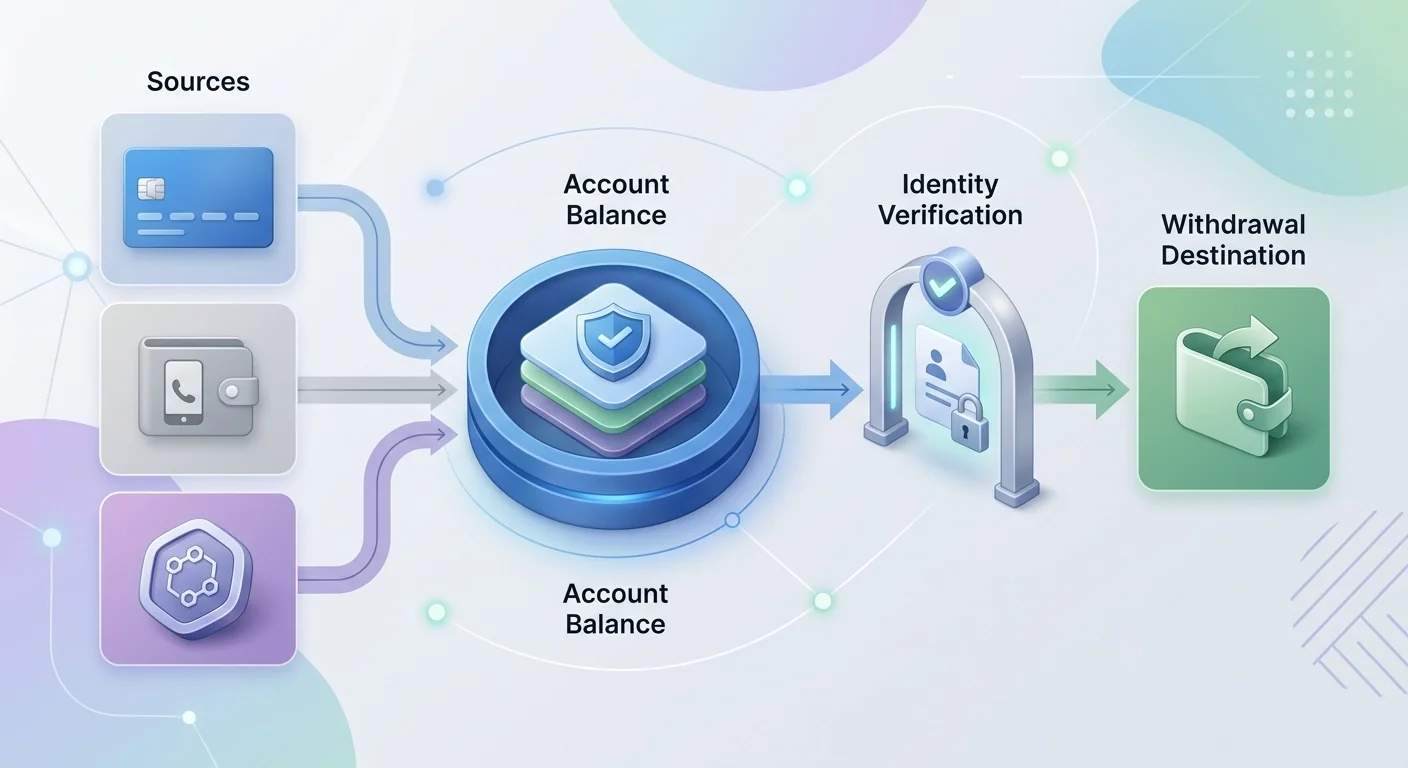
Think of verification as a sequence: upload, document review, possible additional request, final KYC result, then any separate withdrawal processing and payment-provider delivery. Combining all of those into one promised completion time creates the wrong expectation.
How verification affects deposits and withdrawals
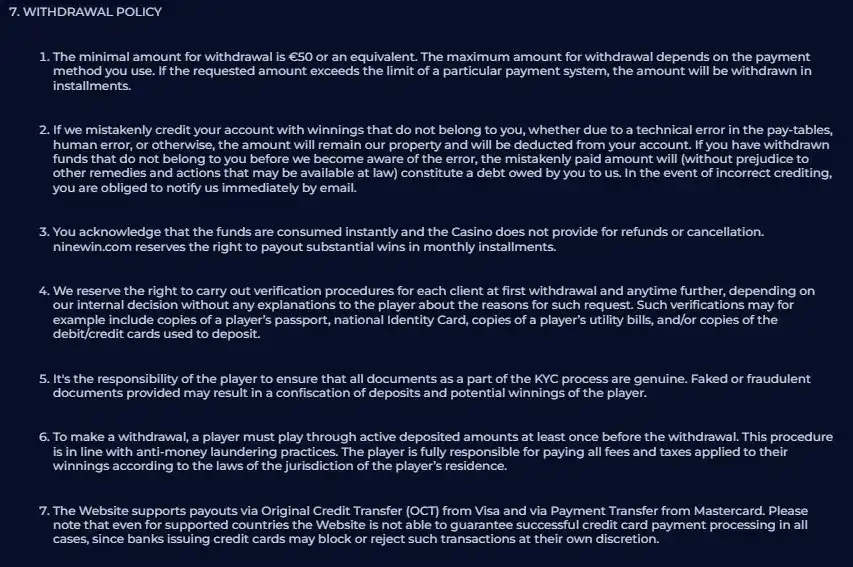
Ninewin’s KYC policy states that a user who does not successfully pass KYC cannot make additional deposits or withdrawals. The Terms also say no cashouts will be processed until the account is fully verified and allow verification procedures at first withdrawal and later when the operator decides further checks are needed.
That means a successful deposit is not evidence that KYC has been completed. The Terms explicitly say acceptance of a deposit does not indicate that the account has cleared all verification checks or that no further checks will be conducted. A player should therefore avoid treating cashout as the first moment when identity consistency matters.
For a delayed withdrawal, first identify the stage. If the account is waiting for KYC documents, the issue is verification. If KYC is complete but the withdrawal remains under casino review, compare it with the current withdrawal policy. If Ninewin has already released the funds, then the remaining delay belongs to the payment route rather than the KYC process.
Verification rules and licence status are separate
Great Britain has its own identity and social-responsibility rules for locally regulated operators, but those rules should not be substituted for Ninewin’s published account requirements. Ninewin’s current KYC policy and Terms set the verification steps described here.
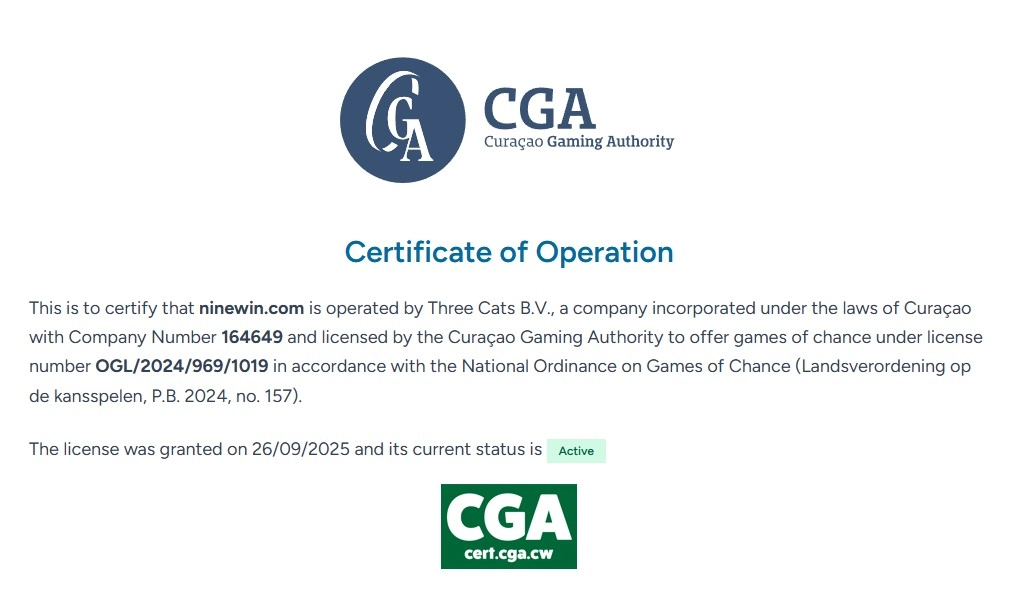
The separate Ninewin licence and trust page covers the licensing position. KYC by itself does not establish a specific local regulatory status; identity checks and operating licences are separate parts of the service.
Ninewin’s public Terms also contain a UK restriction that conflicts with operator-supplied information describing Ninewin as operational for UK players. That availability issue does not change the KYC policy, but the KYC process should not be treated as confirmation that a new UK account is currently accepted.
What to keep if a verification issue becomes a complaint
If verification takes longer than expected or a document is rejected, keep a simple record of what happened. Note the date of the request, the category of document requested, the upload time, the response received and whether additional information was requested. Do not store unnecessary copies of sensitive documents in unsecured notes or messages.
If the issue later becomes part of a withdrawal dispute, the account timeline can help distinguish the published KYC rules from the handling of the individual case. The separate Ninewin reviews and complaints page covers customer complaint patterns and public reputation.
A support conversation is most useful when it identifies the current KYC stage and the exact missing item. Asking “what is still required to complete KYC?” is more actionable than assuming the entire withdrawal has been refused.
Ninewin KYC checklist
- Make sure the account name, date of birth and address are accurate before a verification request arrives.
- Prepare a current passport or ID and current address evidence, but submit only what the live request asks for.
- Use readable images and do not crop out information that the official instructions require.
- Keep payment evidence consistent with the account holder and protect unrelated card or banking details.
- Read the 24-hour statement as a document-review target, not a guaranteed end-to-end completion time.
- Expect additional evidence when the risk-based review calls for it.
- If a withdrawal is pending, separate KYC status from casino processing and payment-provider delivery.
Overall Ninewin KYC position
Ninewin publishes a relatively detailed KYC policy. It identifies SDD, CDD and EDD as risk-based screening levels, lists core passport or ID and permanent-address evidence, allows additional identity, selfie and payment documents, explains common rejection reasons and describes temporary approval while uploaded documents are reviewed. The policy also makes clear that incomplete verification can restrict withdrawals and, after an unsuccessful KYC result, prevent further deposits or withdrawals.
The useful takeaway is not that every player needs the same document pack. It is that the account details should be accurate from registration onward and that the exact KYC request can expand with the risk assessment. The current 24-hour wording refers to review of an uploaded document set, not a guaranteed finish time for the complete account or withdrawal process. For the broader product picture, return to the Ninewin UK review.
Key Ninewin KYC points
Ninewin can request identity, address, selfie and payment-related documents according to the screening level applied to the account.
Uploaded documents receive a temporary status while the KYC Team reviews the set. The policy gives that document-review stage a 24-hour target, but further information can still be requested and withdrawals remain limited until the account is sufficiently cleared.
Created by the ”Ninewin Casino” editorial team.